
In the growing landscape of the retail business, the enterprise resource planning software is no longer an additional component but has actually become a core component in order to maintain the reputation of your business. The ERP system has become a necessity that helps retailers streamline operations, enhance the client experience and produce the desired result. In this read we will learn about the core concept of the ERP for retail business/ store, what are main reasons for their growth, the perks they come with and lastly, we will read about various ERP that caters the retail environments.
Retail ERP Software at a Glance
| ERP | Best for |
|---|---|
| Odoo | Small and mid-size retailers wanting POS, inventory, eCommerce, loyalty and accounting in one system. |
| Microsoft Dynamics 365 | Retailers using Microsoft tools that need connected store POS and online commerce channels. |
| Oracle NetSuite | Growing retailers managing multiple locations, sales channels and financials in one cloud system. |
| SAP S/4HANA | Large retail chains with complex merchandise, inventory and store operations. |
| Acumatica Retail-Commerce Edition | Mid-size retailers seeking cloud ERP that connects in-store and eCommerce sales, inventory and financials. |
| Brightpearl | Shopify-focused retail brands coordinating multichannel orders, inventory and fulfillment. |
| Infor CloudSuite Retail | Retailers with complex, multi-region supply chains, inventory and workforce needs. |
Confirm each product's current capabilities and fit with the vendor before choosing.
Explore Odoo for Retail, Point of Sale, Inventory management, and our ERP guide for eCommerce businesses.
What actually is Retail ERP?
Retail ERP systems integrate business activities such as inventory management, sales tracking, customer relationship management (CRM), supply chain management and financial reporting. Retail-focused functions can help teams coordinate operations and use shared information when making decisions.
Looking for Odoo Implementation, Customization, Integration, or Support Services?
Reasons why Retail ERP Systems are a popular choice
The retail ERP system has become a popular choice in the present time as it comes with numerous benefits like:
Real-Time Inventory Management:
The retail ERP system provides a real-time visibility into inventory levels for various locations at a time, the ERP system also helps the business to prevent stockouts and overstock, with maintaining the inventory turnover for the firm.
Point of Sale (POS) Integration:
The POS plays an important role in the retail industry also these enterprise resource planning software helps the business to integrate the processing and transaction into a single platform. The system also supports multiple payment methods that assist in producing accurate sales data.
Customer Relationship Management (CRM):
The CRM helps the retailers to collect and analyze the segregated customer data, the CRM function that comes with the retail ERP works on making personalized marketing efforts that also enhances the overall engagement of the customer.
Supply Chain Management:
The well-designed ERP contributes in maintaining the supply chain, and the various functions that come under it like the suppliers management, procurement processing to deliver the best under a time frame.
Omnichannel Support:
Omnichannel retail means giving shoppers one smooth experience across stores, online shops and mobile. It helps the business to have all effective retail processing like sales strategy, process management, etc. it also helps the user to build an interactive communication and collaboration across different platforms.
Advanced Analytics and Reporting:
The ERP system has the ability to generate in-depth reports that are based on sales trends, customer behavior, and operational performance that helps the business to craft data according to the informed decision.
Scalability:
One of the main reason to gain popularity of an ERP is its ability to scale according to the business growth. The scalability here involves accommodating of new locations, launch of new product lines, increased volumes of transactions and much more.
Retail ERP Options in Detail
Odoo
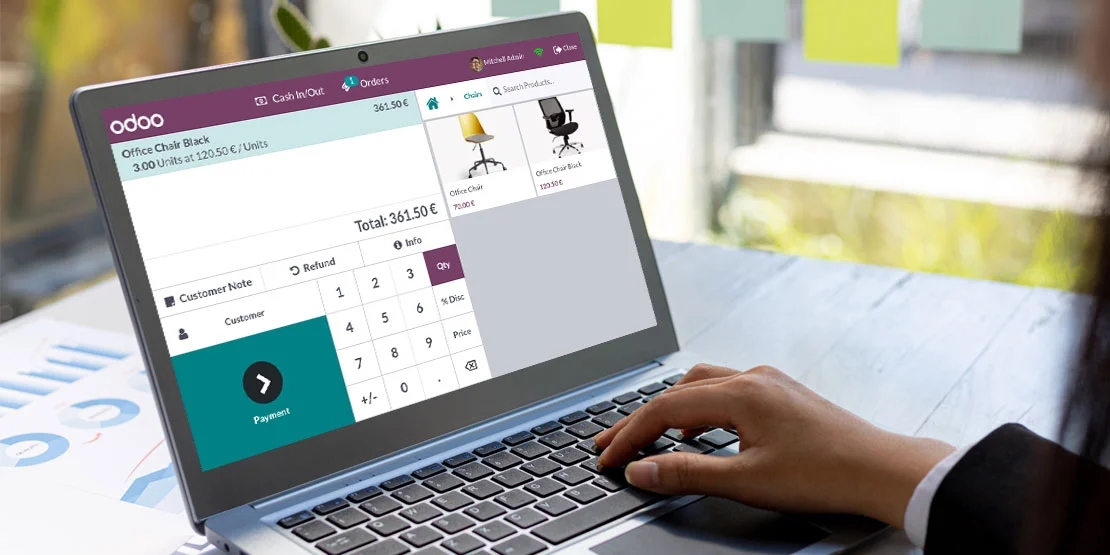
Odoo can be a strong option for any user working in the retail sector, as the software is an open-source platform with retail applications and a wide variety of functions designed to fulfill many business needs. The main feature that comes under the Odoo retail module are CRM, POS, inventory, project management and much more.
Benefits: the perk of using odoo is getting to access various function all under the same platform and with an interface that retailers should evaluate against their teams' needs.

Microsoft Dynamics 365

Microsoft Dynamics 365 may suit retailers using Microsoft business tools. Retailers should assess its POS, inventory, customer insight and omnichannel functions against their current systems and requirements.
Benefits: Retailers can assess Microsoft Dynamics 365 scalability against their locations and operating requirements.
Oracle NetSuite
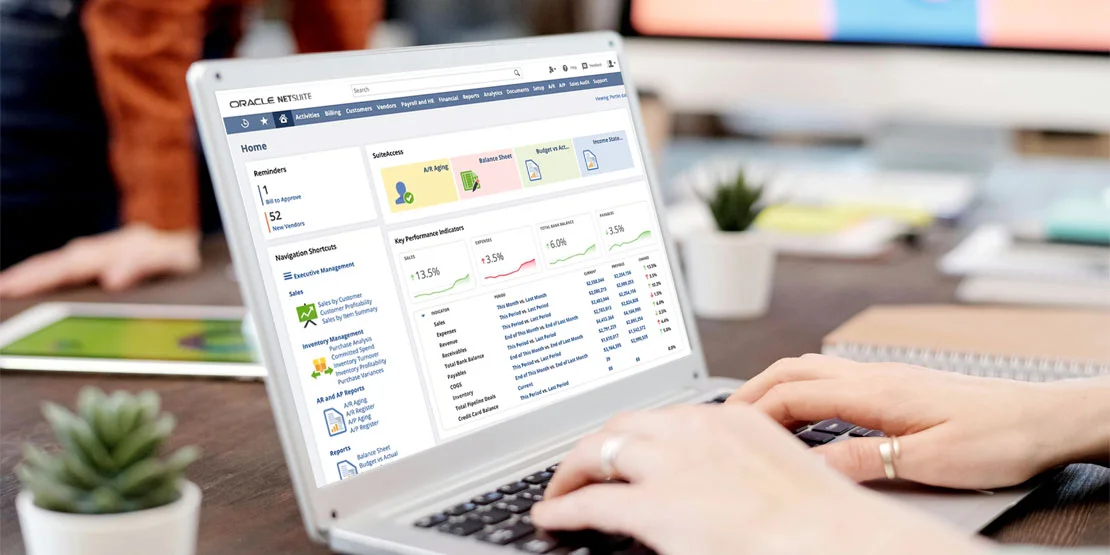
Oracle NetSuite is a leading cloud-based ERP option solutions. The software here provides an integrated platform to manage various aspects of the business and provides a multi- channel support in the sales management. The Oracle NetSuite works on providing a real- time tracking in the inventory function and an access to financial management tool that helps in customizing the dashboard according to the business analytics and customer choice.
Benefits: The key benefits the software provides are flexibility and extensive functionality, therefore both of these together work in the growth of the retail venture and the improvement in the processing.
SAP S/4HANA

Large retailers looking for an end-to-end suite may evaluate SAP S/4HANA for supply chain, commerce and reporting requirements.
Benefits: SAP S/4HANA provides an integrated suite of tools for large retail operations. Its fit depends on the retailer's scale, requirements and implementation plan.
Acumatica Retail-Commerce Edition
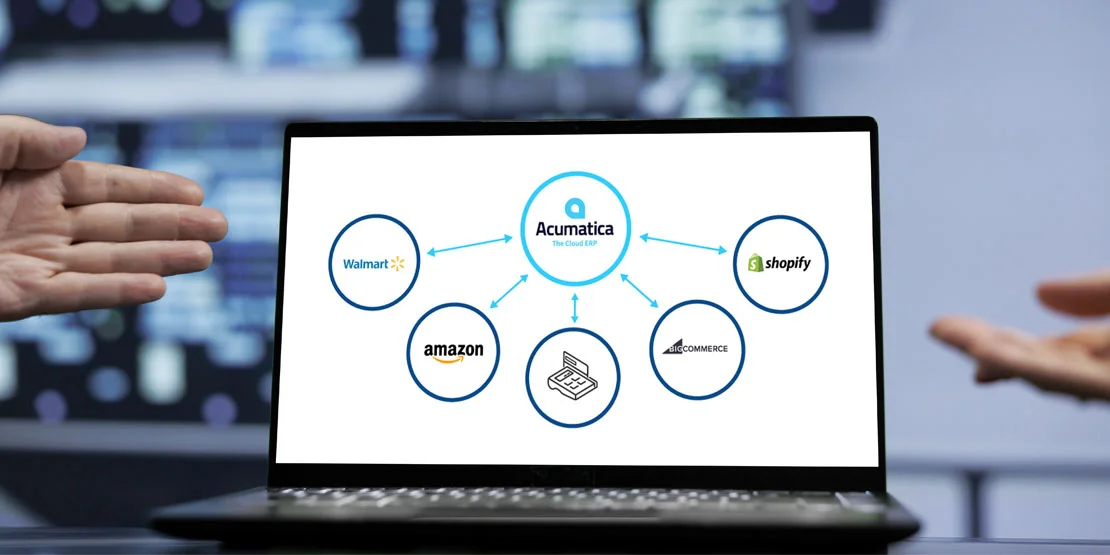
Acumatica is a huge name that caters various sectors, whereas today we will talk about the Acumatica Retail-Commerce Edition which is a cloud- based solution that was especially designed for retail and e-commerce businesses. The software offers functions like financial management, Customer relationship management (CRM), Inventory management and Integrated e-commerce capabilities all under a single workflow.
Benefits: Retailers can assess Acumatica Retail-Commerce Edition features and implementation requirements against their needs.
Brightpearl
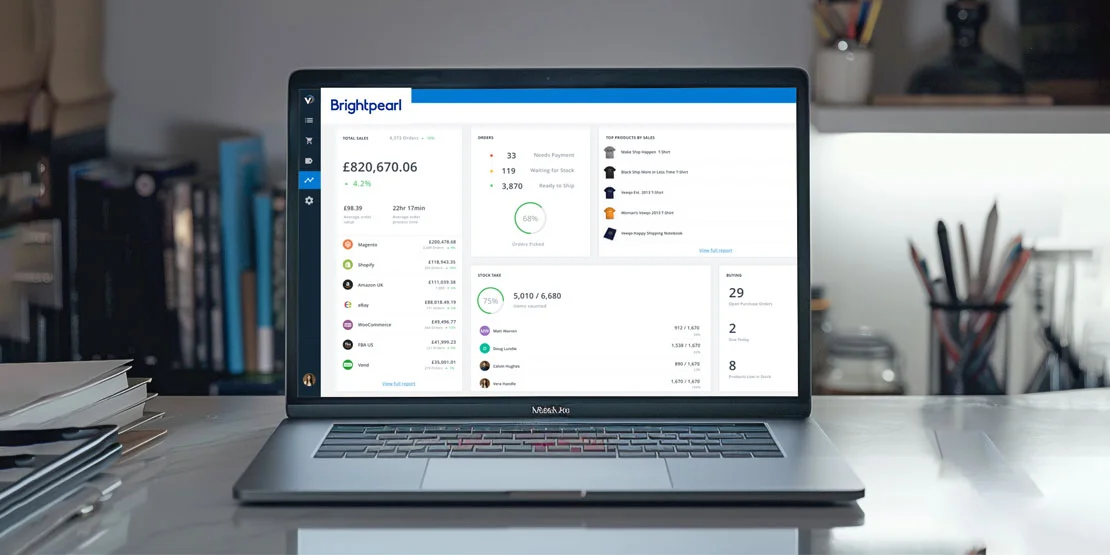
Brightpearl is a retail operations platform for brands selling through channels such as Shopify and Amazon. It supports order processing and inventory management across sales channels.
Benefits: It simplifies complex operations across multiple sales channels, which may suit some growing retail businesses.
Infor CloudSuite Retail
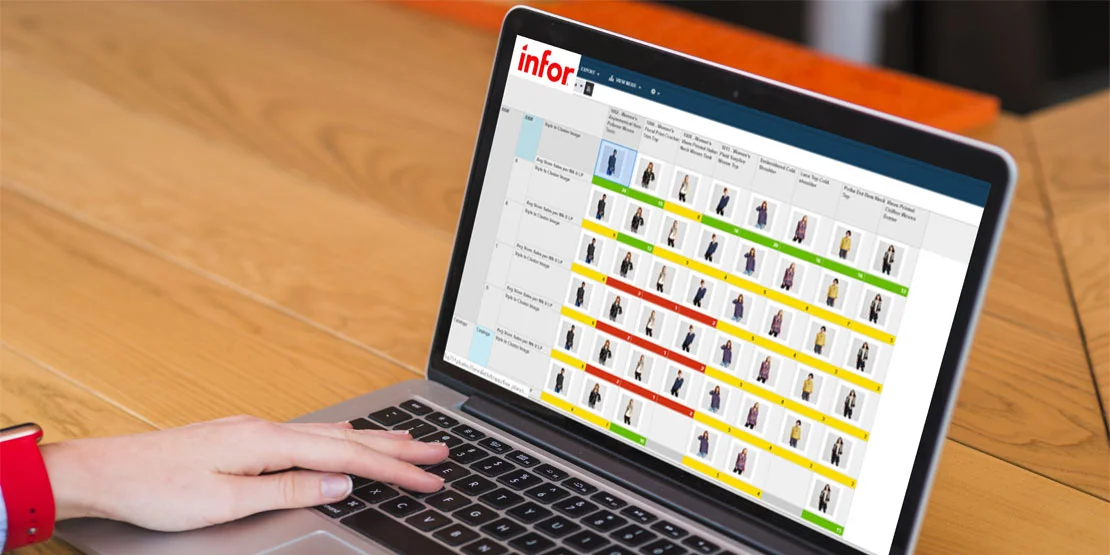
Infor CloudSuite offers a sector-based solutions that help the user to enhance their operational efficiency. And build a Comprehensive supply chain management with advanced financial planning and analysis tools that enhances the overall engagement of the customer. The Infor CloudSuite also comes up with a mobile application that allows the user to access all the function on the go with just a few clicks.
Benefits: As the software works on industry-specific solutions it makes a positive count for the retailers to build a workflow that smoothly optimizes all operations while maintaining flexibility.
Real example: 40% faster support replies for a retailer
An electronics and appliances retailer had support requests spread across communication channels. O2B centralized support tickets in the customer dashboard in Odoo, and the case study reports a 40% reduction in average response time.
Read the customer support case study