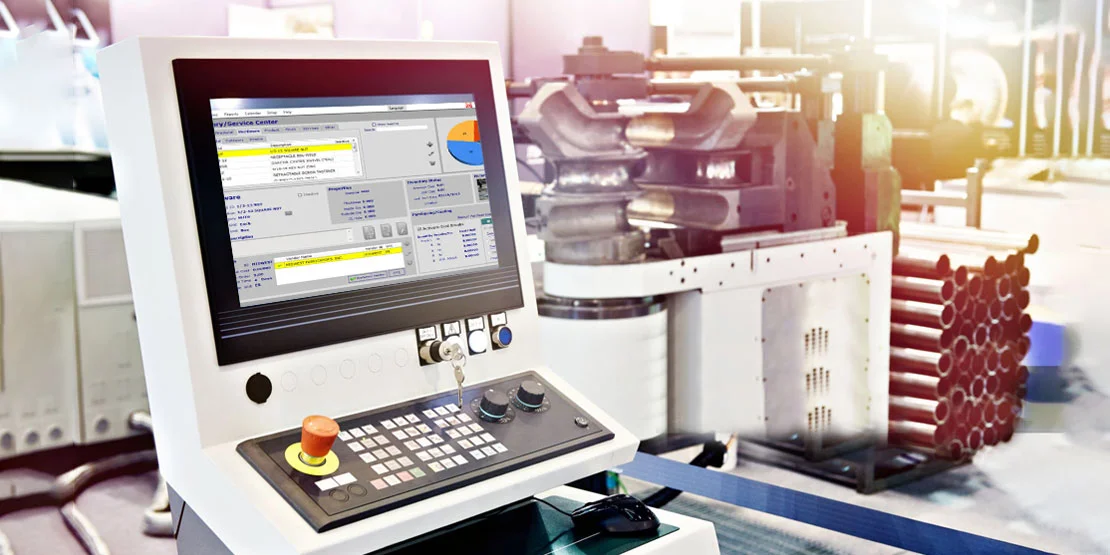
The metal fabrication industry is a large industry that faces unique challenges and comes with various variables like the raw material costs, maintenance of tough quality standards, and the variable and complex supply chains. To navigate these challenges effectively, a huge number of businesses are going towards Enterprise Resource Planning (ERP) software that works on creating the personalized solution specifically for metal fabrication. The blog pins the best ERP solutions for metal fabrication, brings their important features, benefits, and what are the implementation considerations.
Read more about Odoo for manufacturing, our manufacturing ERP guide, the machine shop ERP guide, and Inventory management. Fabricators shape metal; foundries cast it, so our ERP guide for metal foundries covers heats, chemistry and patterns instead.
What fabricators need
- Fast quoting
- Nesting and material use
- Job costing
- Heat number and material traceability
- Shop scheduling
- Remnant tracking
- Quality records
Looking for Odoo Implementation, Customization, Integration, or Support Services?
Importance of ERP in Metal Fabrication
ERP systems like Odoo integrate the various business processes into a single and unified platform, that enables the organization to streamline their operations, enhance their productivity, and improve the power of decision-making. For the metal fabricators, it is always beneficial to have an effective ERP solution that can provide:
Real-Time Visibility
It should monitor the different level of inventory levels, should have the proper production schedules, and the financial performance.
Improved Efficiency
It automates the repetitive tasks and maintain the standards of the procedures.
Enhanced Collaboration
It Breaks down the silos between the business departments for better communication.
Data-Driven Insights
ERP like Odoo utilize the analytics and inform the user with strategic decisions.
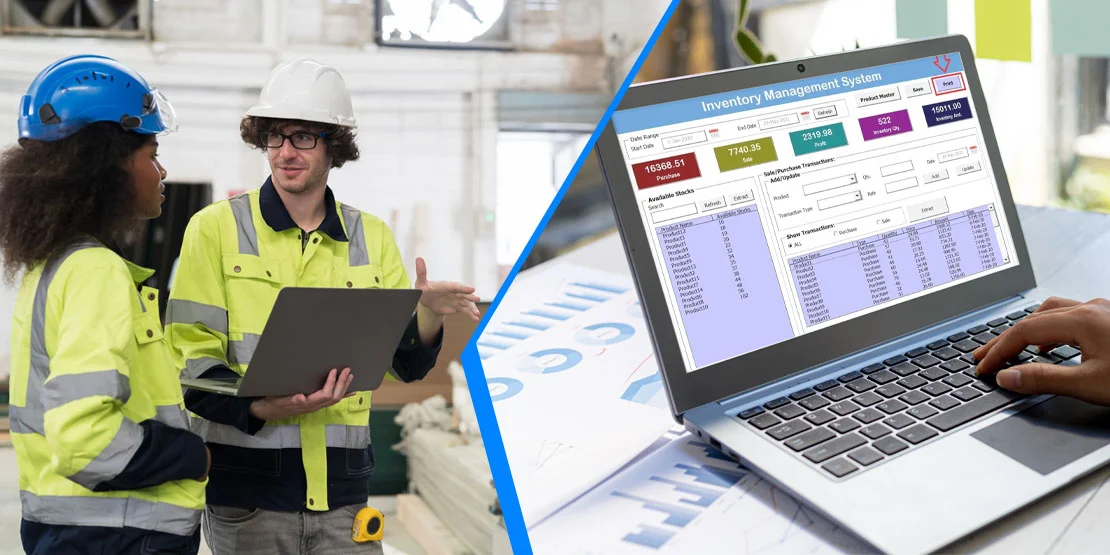
Key Features of Metal Fabrication ERP Software
When selecting an ERP system for metal fabrication, here are a few considerations to review.
Inventory Management
It tracks the raw materials and provides the finished goods that also optimize the stock levels.
Production Planning and Scheduling
Metal Fabrication ERP Software works on efficiently managing the workflows for the business to meet their customer demands.
Quality Control
Implement various checks in the system to ensure that user’s products meet the certain industry standards.
Supply Chain Management
It coordinates with suppliers and logistics partners to manage deliveries on a timely basis.
Financial Management
It supports managing budgets, accounts, and financial reporting.

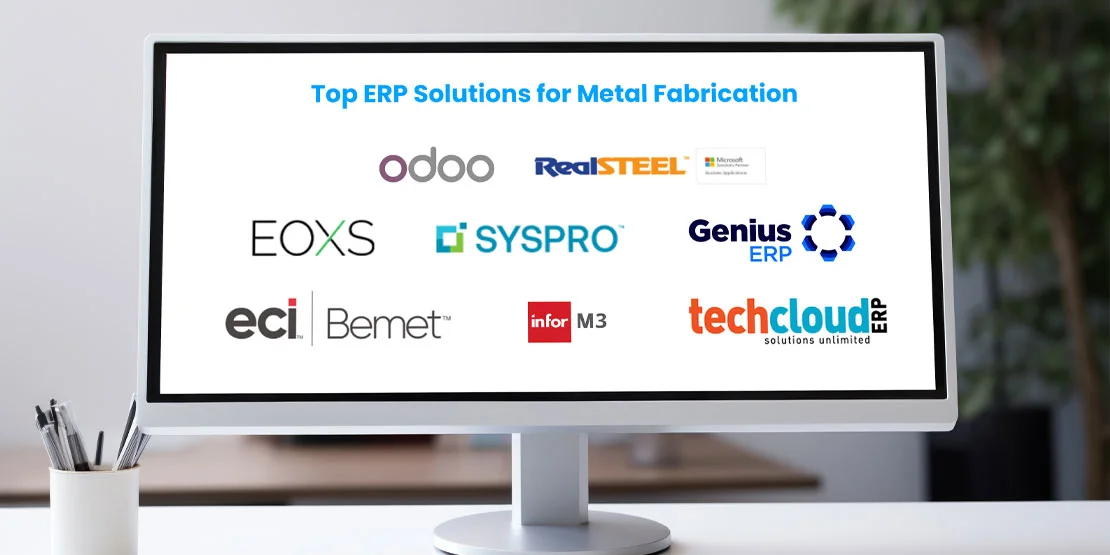
Top ERP Solutions for Metal Fabrication
| ERP | Best for |
|---|---|
| Odoo | Small and mid-size fab shops wanting quoting, MRP, inventory, quality and accounting in one system |
| Real Steel | Steel service centers and fabricators |
| EOXS | Metal service centers and distributors |
| Genius ERP | Custom and engineer-to-order manufacturers |
| JobBOSS² (ECI) | Small and mid-size fab and job shops |
| SYSPRO | Mid-size manufacturers and distributors |
| Infor M3 | Large, multi-site metal producers |
| Microsoft Dynamics 365 Business Central | Firms on Microsoft 365 |
Real example: tracked production for a discrete manufacturer. A discrete manufacturer was passing work between stations by hand. O2B rebuilt its work-center, subcomponent, assembly and dispatch flow in Odoo so every step is tracked. Read the case study.
Benefits of Implementing ERP Software
Cost Reduction
Implementing ERP Software works on optimizing the processes and reduces the amount of waste generated by the businesses which can lower down the overall operational costs.
Increased Productivity
It automates the routine tasks and allows the business staff to focus more on the higher-value of activities.
Enhanced Customer Satisfaction
It improves the order accuracy and provides the timely deliveries, which leads to better customer experiences.
Regulatory Compliance
It automates the reporting process and tracks the function to help the business ensure adherence to their industry regulations.
Implementation Considerations
Implementing an ERP system is a significant investment that requires careful planning:
Needs Assessment
Identify specific challenges that your business may face that the chosen ERP system can address.
Vendor Selection
Choose a vendor with experience in metal fabrication and confirm that its ERP supports your processes.
Customization vs. Standardization
Determine how much customization your venture need versus what are the utilizing standard of the features.
Training and Support
Ensure that the staff are well trained to use their new system effectively.
Future Trends in Metal Fabrication ERP
Cloud-based solutions: Give teams access to shared production and inventory data across locations.
AI and machine learning: Can help identify production patterns and support planning.
Mobile accessibility: Lets teams review job and inventory updates from the shop floor.
FAQs
What does ERP do in material management?
ERP connects purchasing, inventory, production, and finance data so fabricators can plan and track materials.
What are key features of metal fabrication ERP software?
Look for quoting, inventory and material tracking, production scheduling, job costing, and quality records.
What are the different types of metal fabrication?
Common processes include cutting, bending, machining, welding and assembly.
What are three major steps in a fabrication flow?
A typical flow includes cutting material, forming parts through bending or machining, and joining or assembling the finished product.
Our verdict
Steel service centers may want a metals specialist like Real Steel or EOXS. For most small and mid-size fab shops, Odoo is a strong fit: quoting, production, material tracking, quality and accounting in one flexible system.
Running a fab shop?
See how Odoo would track your quotes, jobs, material and quality checks.