Food distribution is a systematic process of getting food from producers and manufacturers to consumers. This process is a vital component that works on various stages and goes through different process all together. The food distribution process includes activities such as sourcing products, building a reliable network, and transporting food products to different channels, including the global grocery stores, restaurants, and food service operations chains all at one place.
Whereas the ERP software for food distribution is designed to support the unique needs of companies that goes with the different food products. The ERP systems here assist the user in streamlining their operations, enhancing their traceability, and ensuring that they comply with the food safety regulations.
Let’s now understand about the features or the components these ERP system works on
Explore related solutions: Supply chain management, inventory management, ERP for wholesale distributors, and ERP for food and beverage companies.
What are the Components of Food Distribution ERP Software?
Inventory Management
Inventory adds up to the making or breaking of the ERP so it is very important to have an effective inventory management that boost your food distributors and works well with the fresh nature of products. ERP systems provide:
Centralized Inventory Control: A unified platform can be obtain when using ERP software for food distribution, it helps you manage the various stock levels, track the users expiration dates, and monitor their lot numbers. This capability provided by the ERP in the food distribution sector is crucial for fulfillment with food safety regulations and for managing remains effectively.
Automated Reordering: ERP software systems for food distribution can generate the real-time purchase orders based on the accurate forecasted demand, which also minimize the stockouts and excess inventory
Traceability: Advanced lot tracking can help businesses trace products through their supply chain and support recall preparation. ERP software does not mean products are FDA- or USDA-approved.

Order Management
Order management means the systematic flow of the clients orders, this process altogether is essential for maintaining the customer satisfaction. Key functionalities include:
Real-Time Order Processing: There are chances that the food distribution sector may fluctuate easily as there can be chances that a certain food item is high on demand this immediate access to inventory levels and customer data requires the ERP system that is quick in working on order fulfillment and enhances the overall customer service.
Order Entry Automation: Simplified order entry processes is another helpful component that goes a long way if used properly as it works on reducing the manual errors and speed up the overall order processing time.
Customer-Specific Order Guides: These features helps the user to have the sales representatives quickly by adding up the items based on their previous purchases or specific customer preferences which also gives a sense of belonging to the user.
Sales Analysis and Forecasting
Effective sales analysis tools are the ones that assist the businesses in making informed decisions:
Historical Data Analysis: ERP systems can contribute in analyzing the past sales data which will identify the current trends, and gives your business the advanced forecast on all future demand accurately.
Seasonality Management: It comes with the tools that are used for seasonal fluctuations and will help the user to maintain their optimal inventory levels during the peak times, this may be different for business to business with they are dealing with alternative products.
Logistics and Route Management
Logistics is a critical component in the food distribution sector as each product their need to have timely deliveries and if not, the business owners may suffer a loss.
Route Optimization: ERP software like odoo comes with the tools that can optimize the various delivery routes based on factors like traffic patterns, vehicle capacity, and fuel efficiency, this not only saves the time but also reduce the overall operational costs.
Shipping Management: Real-time tracking of shipments or the food package ensures that businesses always have the accurate delivery timelines to customers, with any major invoices or bad service.
Compliance and Quality Control
Food safety is a key consideration for food distributors:
Quality Control Modules: ERP systems can help teams document quality checks and flag items nearing expiration. They do not certify products or guarantee regulatory compliance.
Regulatory Compliance: ERP systems helps the organization to maintain a balance with various health regulations, this also includes providing all the necessary documentation and tracking the capabilities regularly.
Benefits of Implementing ERP in Food Distribution
Implementing an ERP system especially for the food distribution offers numerous advantages, let’s discuss some of the core benefits here:
Enhanced Efficiency
As the core functioning of the ERP system is to automate the key processes like inventory management, order processing, and logistics planning, all at one place so that the user have more efficiently, takes less manual workloads and minimizes the chances of errors.
Improved Customer Satisfaction
As the ERP software works on real-time data access and streamlines the overall processes, with this the companies have the benefit to respond more quickly to their customer inquiries and fulfill their business orders more reliably.
Cost Savings
Improved inventory levels also helps the user to reduce their waste from expired products, while it also works on efficient route planning with less transportation costs. Overall it works on improving the operational efficiencies which lead to significant cost reductions.
Food Safety and Traceability
Food distributors should confirm that their ERP processes support the records and controls their operation needs. Software can help organize records, but it does not itself guarantee food safety or regulatory compliance.
- Lot tracking: Record supplier lots and trace products through warehouse movements to customer shipments.
- FEFO picking: Use first-expiry, first-out processes to prioritize stock with the nearest expiry date where appropriate.
- Temperature-controlled storage: Keep temperature logs or link the ERP to suitable monitoring systems for chilled and frozen goods.
- Mock recalls: Run traceability exercises to check how quickly affected lots and customers can be identified.
- FSMA records: Configure workflows to help maintain records required for applicable FDA rules, including relevant traceability records. Confirm requirements with qualified compliance staff.
Odoo Inventory can help record lots and stock movements; delivery, expiry and quality workflows may require appropriate configuration or integrations.
Real Example: Credit Checks for 1,500+ B2B Customers
A mid-sized trading and distribution company operating across the USA and Europe needed credit checks inside its ERP. O2B integrated Creditsafe with Odoo so credit information could be accessed within customer workflows. This is a trading and distribution example, not a food-company case study.
The Best ERP Software for Food Distribution
There are various enterprise resource planning software, available in the market each of these ERPs have their set of perks and cons. In this part we will discuss about the top ERPs for food distribution in the sequence way.
Food Distribution ERP Comparison
| ERP | Best for |
|---|---|
| Odoo | Small and mid-size food distributors wanting lots, expiry, warehouse, delivery and accounting in one system. |
| VAI S2K Enterprise | Mid-size food distributors wanting a specialist system. |
| Sage X3 | Mid-size to large distributors and processors. |
| Inecta Food ERP | Distributors on Microsoft Business Central. |
| Blue Link ERP | Small and mid-size wholesale distributors. |
Vendor fit depends on your workflows, integrations, scale and regional requirements. Ask each vendor to validate the capabilities that matter to your operation.
Odoo
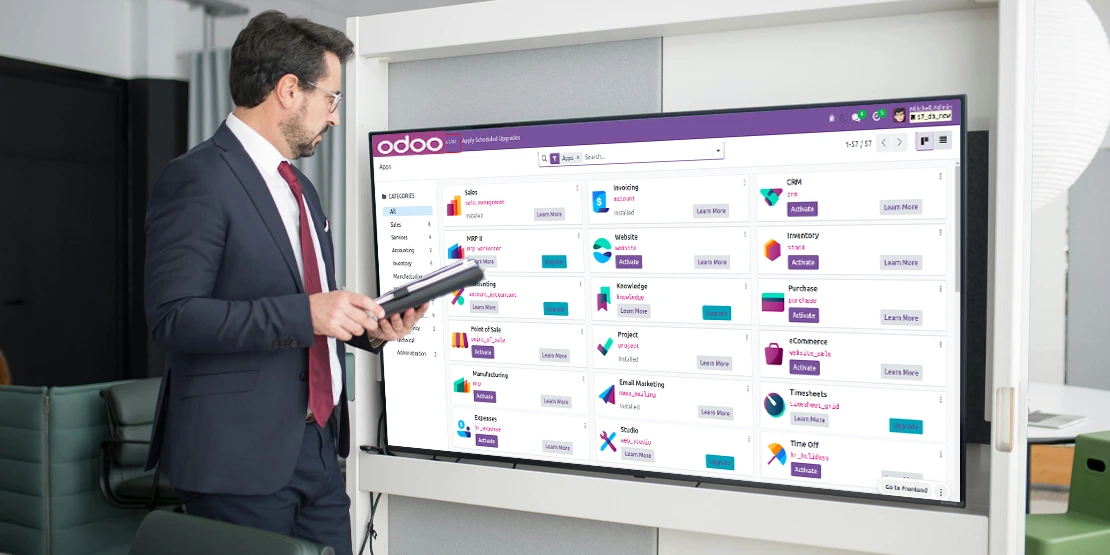
The first and foremost ERP software option discussed here is Odoo, that provides the user with real-time inventory tracking, and also help the user to track their stock levels and manage their fresh goods effectively.
The software stands out first in the list for varies reasons, the one being it is one of the most right-sized investment options in the list, has a wide range of features works even as the cloud-based ERP solution. Talking particularly about its features, the software helps in preventing the chances of overstocking and stockouts, and also maintain timely delivers to keep the product fresh while reducing the chance of wastage.
VAI's S2K Enterprise
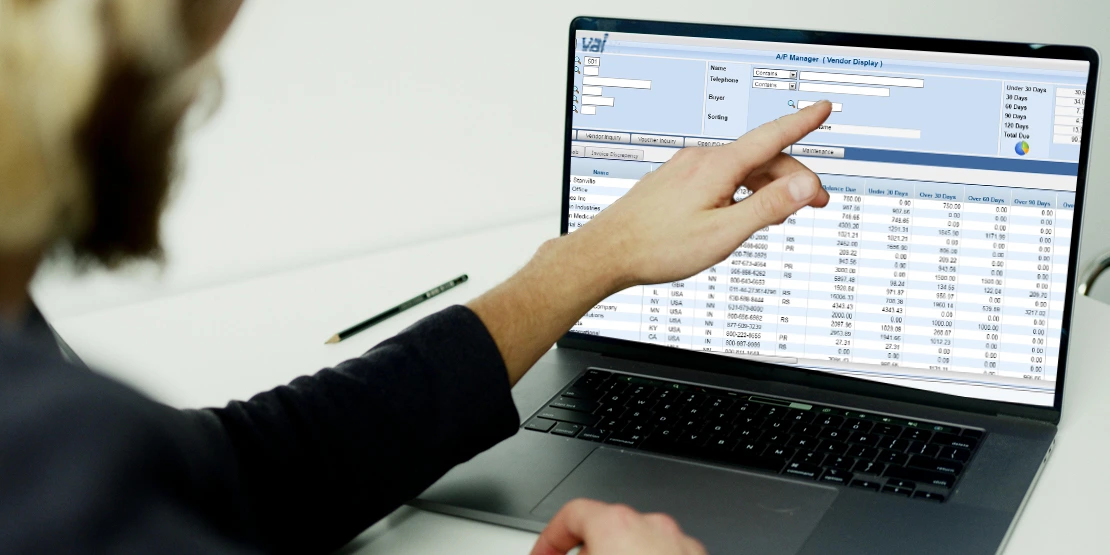
VAI's S2K Enterprise is the ERP software that is specially designed for food distributors, the main areas of focus here are the inventory management, sales analysis, route management, and purchasing optimization all of these features together contributes in the upscaling of the food distribution sector. The software includes food-safety-related features that can help teams document checks and maintain traceability records; businesses remain responsible for meeting applicable health regulations.
Sage X3
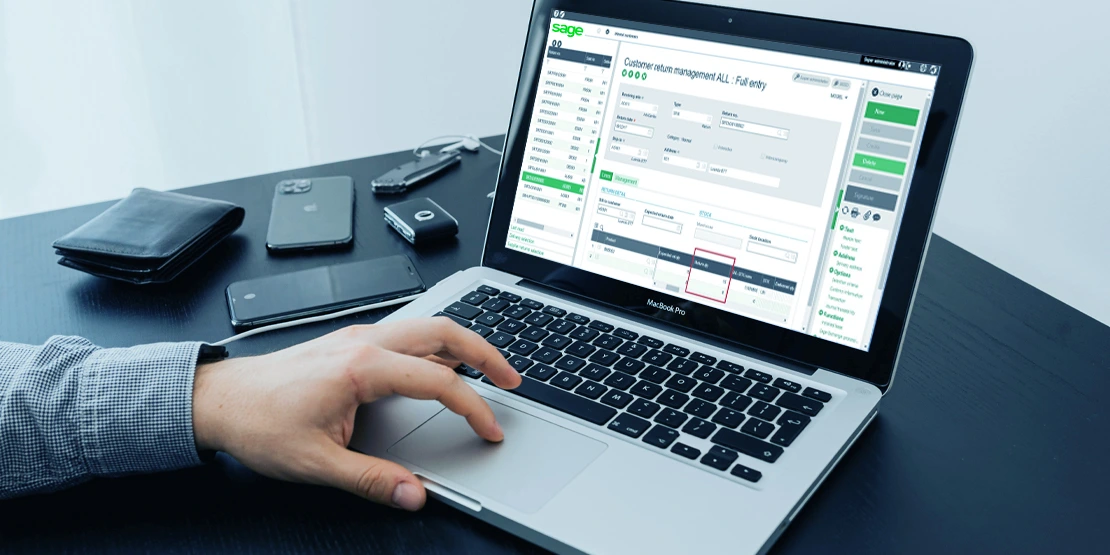
Sage X3 is a growing ERP software system in the food distribution sector, it comes with the tools that can be used for logistics management, production scheduling, and quality check and control. The software also offers capabilities that can further help the businesses to maintain their finest stock levels and also working equally on the safety standards.
Blue Link ERP
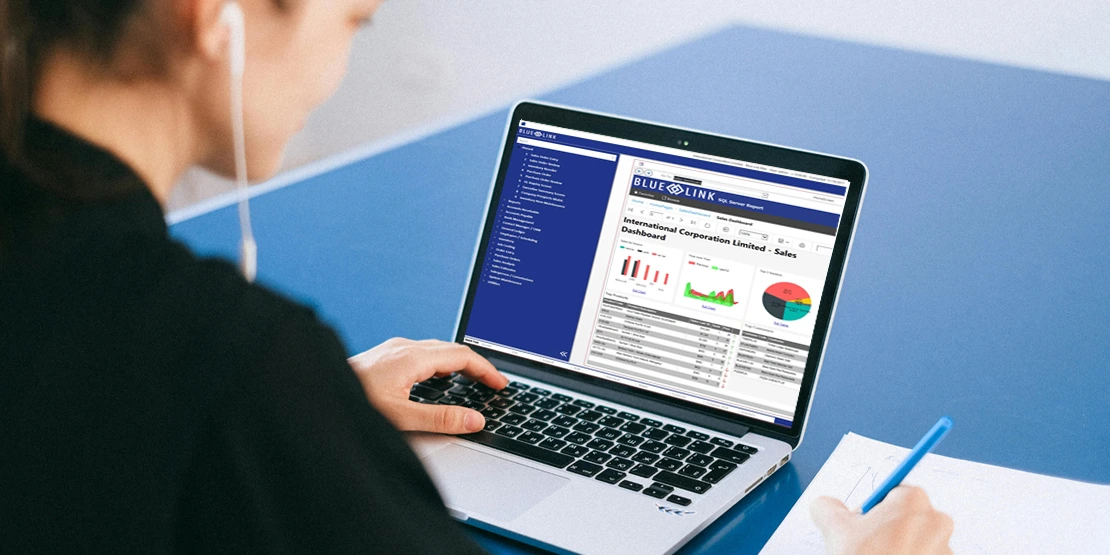
Blue Link is known for its wholesale food distribution capabilities as it has the strong traceability features. Blue Link also allows the users to track their lots through the supply chain effectively and also manage their different type of food products.
Inecta Food ERP
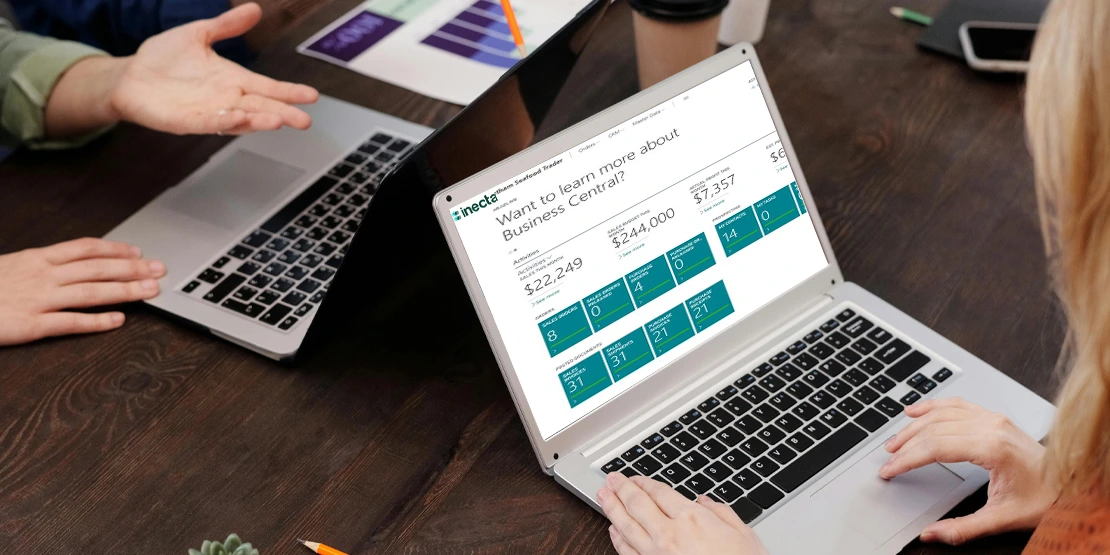
Inecta Food ERP is a software that is powered by Microsoft Business Central, Inecta offers both the option for the user be it the cloud-based and on-premises solutions and helps you streamline your operations from warehouse management to supply chain tracking all under one platform and in real time.
Challenges in Food Distribution ERP Implementation
ERP implementation can offer benefits, but projects may also face challenges:
High Initial Costs
The upfront investment for an ERP system can be significant, especially for smaller distributors.
Complexity of Integration
Integrating an ERP system with your existing processes can be challenging at times, to eliminate this the user have to work with experts like O2B Technologies, which makes the overall process easier.
User Training Requirements
Employees of the organization must be well trained to use their new systems effectively.
Frequently Asked Questions
What is food distribution ERP?
Food distribution ERP connects inventory, purchasing, sales orders, warehouse operations, delivery coordination and accounting so distributors can manage their workflows in one system.
Does Odoo support lot tracking and recall preparation?
Odoo Inventory can track lots and stock movements when configured appropriately. Distributors can use those records to support traceability exercises and recall preparation; recall procedures and regulatory requirements still need to be defined and tested by the business.
Can an ERP help manage expiry dates and FEFO picking?
ERP workflows can record expiry dates and support first-expiry, first-out picking when the relevant features and warehouse processes are configured. Confirm the exact setup against your storage and fulfillment needs.
How much does food distribution ERP cost?
Costs depend on user count, modules, data migration, integrations, customization, hosting and implementation scope. There is no single price that fits every distributor. For factors that affect Odoo project costs, read How Much Does Odoo Really Cost?
Our Verdict
For small and mid-size US food distributors, Odoo can bring lot tracking, expiry management, warehouse operations, deliveries and accounting together in one system. Distributors seeking a food-focused specialist may also evaluate VAI S2K Enterprise or Inecta. Validate each option against your workflows, integrations and compliance needs before choosing.
Explore Supply Chain Management, Inventory Management, and Odoo Implementation to learn more about related capabilities.
Distributing food?
See how Odoo would track your lots, expiry dates, warehouses and deliveries.
Talk to an Odoo Expert