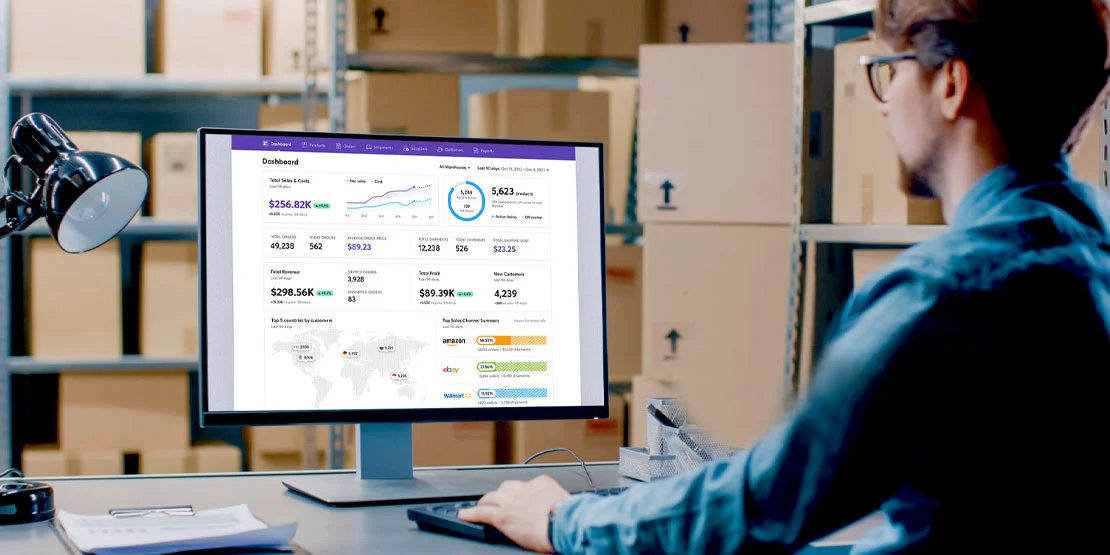
ERP, or Enterprise Resource Planning, is a proven way to improve the efficiency of any organization. An ERP helps process data and manage finances, while inventory management deals with the production, distribution and planning of goods and services. They work together to meet customer demand without incurring unnecessary overheads. But what are the 7 practical ways an ERP can improve inventory management?
In this blog we will look at 7 key ways that ERP software can enhance inventory management through optimized operations, lower overheads and improved customer satisfaction. The ERP system gives users real-time visibility into their inventory levels and provides businesses a future perspective to further enhance the process. See how this works in manufacturing, retail and eCommerce.
Looking for Odoo Implementation, Customization, Integration, or Support Services?
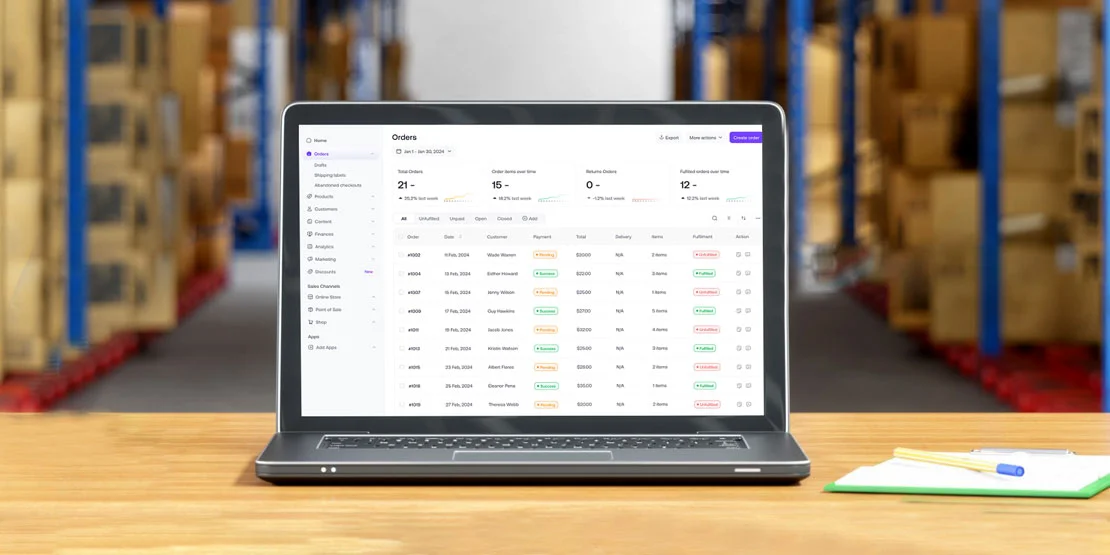
What is Inventory Management?
In simple terms, inventory management is the organized control of inventory and stock within a business. The process involves supervising order management, storage, stock updates and related functions to minimize cost and supply waste.
If a business lacks good inventory management it may experience irregular stock supply, leading to stock emergencies, shortages of raw materials and both financial and brand damage.

7 Ways ERP Software Can Improve Inventory Management
1. Better Inventory Tracking
The ERP system has numerous benefits and one of them is improving inventory management, which means maintaining a clear view of the stocks a business holds. These ERP systems give real-time visibility into inventory levels and integrate with other processes to enhance workflow, reducing the risk of stockouts and overstocking. ERP automation tracks current records continuously and allows the business to make data-driven decisions and increase operational efficiency.
2. Enhanced Demand Forecasting
ERP systems collect and analyze data from multiple sources to help businesses generate accurate demand forecasts. The software analyzes sales history and customer orders to identify and anticipate future demand more effectively, allowing firms to provide tailored solutions.
Demand forecasting also improves inventory levels by ensuring the right product is available at the right time while minimizing excess stock.
3. Automation
Are you still using manual tactics to maintain stocks and update spreadsheets? An ERP system can significantly reduce the time and effort put into manual processes through automation. ERP streamlines operations and automates various inventory tasks like order tracking, returns, exchanges and order processing — saving time, reducing errors and allowing employees to focus on core activities such as customer service and product development.
4. Improved Supply Chain Management
ERP systems support complete supply chain processing, making it easier for businesses to monitor goods and services from raw materials to finished products. This holistic approach enables businesses to manage their stock more effectively and understand every component in the supply chain. Real-time data also boosts collaboration with suppliers and distributors to fulfill market requirements.
5. Streamlined Purchasing Processes
Working with an ERP system means having a smooth, integrated purchasing process aligned with all business functions and modules. The ERP automates purchasing, ensuring well-maintained inventory levels and automatically reporting when stock falls below a set threshold. Businesses can also manage supply chain relationships with better visibility into pricing and supplier performance.
Real O2B example — Automating purchase orders from e-commerce: O2B configured Odoo to automatically generate purchase orders when an e-commerce order came in for an out-of-stock product, removing manual purchasing steps and reducing fulfilment delays. Read the case study.
6. Advanced Reporting and Analytics
ERP systems provide strong reporting and analytics features to maintain a constant check on inventory performance across the business. Performance metrics help track key indicators like inventory turnover ratio, carrying costs and stockout rates, giving insight into areas for improvement. With access to detailed reports and analytics, users can make data-driven, informed decisions to optimize stock levels and reduce costs.
7. Cost Efficiency through Inventory Management
Businesses that adopt ERP implementation can save significant costs through better inventory management practices — such as maintaining optimal inventory levels and minimizing excess stock. This helps reduce costs associated with storage and carrying inventory while increasing efficiency and profitability.
Real O2B example — Landed costs in Odoo: A global electronics and consumer goods importer needed to see true product costs, including freight and duties. O2B configured Odoo to add freight, duties and other charges to product costs automatically. Read the case study.
Features To Look for in ERP Solutions
Seamless Integration
The current shift of various businesses towards cloud integration is driving ERP developers to upgrade their skills and align with cloud technologies for better deployment strategies.
Artificial Intelligence and Machine Learning Integration
The growing use of artificial intelligence and machine learning means ERP solutions that incorporate these capabilities can manage current workflows more efficiently and deliver smarter, more proactive business insights.
Knowledge for Customization and Cross Integration
The need for experienced ERP developers continues to grow — professionals who can not only customize the platform but also align it with specific business needs, develop unique workflows, automate processes and integrate with third-party applications and e-platforms.
Why Choose Odoo ERP?
Odoo is a versatile platform that helps many businesses operate seamlessly online. It stands out among other ERP systems for several reasons:
Complete Solution
Odoo offers a wide range of modules covering inventory, purchasing, accounting, sales and more — making it an all-in-one solution for growing businesses.
Community Support
Being open-source software, Odoo has a large community of developers and users who drive its continuous improvement and offer broad support.
Moving Your Data
The ERP implementation process involves migrating data from one system to another. Skilled developers ease this process, ensuring that data is transferred accurately and securely without any breaching.
In summary, the ERP software comes with a wide range of benefits. Enterprise Resource Planning is the approach used by most businesses to improve efficiency within the organization, process business data and manage finances. Inventory management incorporates the production of different elements, helps with distribution and plans the movement of goods and services. Together, they give businesses one accurate view across sales, purchasing and warehouses.
Our Verdict
If stock lives in spreadsheets or a separate tool, an ERP gives you one accurate count across sales, purchasing and warehouses. Odoo is a strong fit for growing US businesses that need inventory management, purchasing and accounting in one system.
Stock counts not adding up?
We'll show you how Odoo Inventory would track your stock, warehouses and costs. Learn more about our inventory management services and Odoo implementation.
Talk to an Odoo Expert →FAQs
What is inventory management in an ERP?
ERP inventory management connects your stock counts, sales orders, purchase orders and warehouses in one system so every team sees the same real-time numbers — eliminating the errors and delays caused by separate spreadsheets or disconnected tools.
How does ERP improve inventory accuracy?
ERP updates stock levels automatically when orders are placed, received or shipped. Because entries are triggered by system events rather than manual input, the counting errors common in spreadsheets are removed.
Is Odoo a good option for inventory management?
Odoo Inventory handles multi-warehouse stock, automated reordering, landed cost tracking and purchase-order automation. It is a strong fit for growing US businesses that need inventory, purchasing and accounting in one system. See O2B's inventory management services for more detail.
How does ERP help with purchasing?
ERP can trigger purchase orders automatically when stock drops below a set level, or when an e-commerce order comes in for a product that is out of stock — reducing manual purchasing work and fulfilment delays.