Enterprise ERP is designed for large companies that need coordinated processes, reporting and controls across departments, legal entities or countries. In this guide, “large enterprise” generally means a business with roughly 500+ employees, multiple entities, or operations in multiple countries. Actual fit depends on operational complexity, not headcount alone.
ERP for Large Companies: How to Choose
Large companies need ERP that coordinates multiple entities, currencies, approval layers and integrations, not just more users. Compare each option below against your legal structure, industry workflows, reporting needs and internal implementation capacity.
8 Best ERP Systems for Large Enterprises in 2026
Use this shortlist as a starting point. Confirm each vendor's fit against your requirements, deployment model, industry workflows, integrations and internal implementation capacity.
| ERP | Best for |
|---|---|
| SAP S/4HANA | Global enterprises with complex, multi-country operations |
| Oracle Fusion Cloud ERP | Large finance-led enterprises |
| Microsoft Dynamics 365 Finance & SCM | Large firms on the Microsoft stack |
| Infor CloudSuite | Large manufacturers and distributors by industry |
| Oracle NetSuite | Upper mid-market firms with many entities |
| Epicor | Large manufacturers |
| IFS | Asset-heavy and field service firms |
| Odoo | Large companies wanting a flexible ERP, or a group of business units |
Selection note: These are broad-fit descriptions, not a ranking. Have your ERP and industry teams validate each option against the company's actual requirements.
SAP S/4HANA

SAP S/4HANA is commonly evaluated by global enterprises that need integrated processes across countries, business units and functions. It can support complex finance, manufacturing, procurement and supply-chain operations. The project should account for process standardization, data migration, integration design and organizational change.
Oracle Fusion Cloud ERP
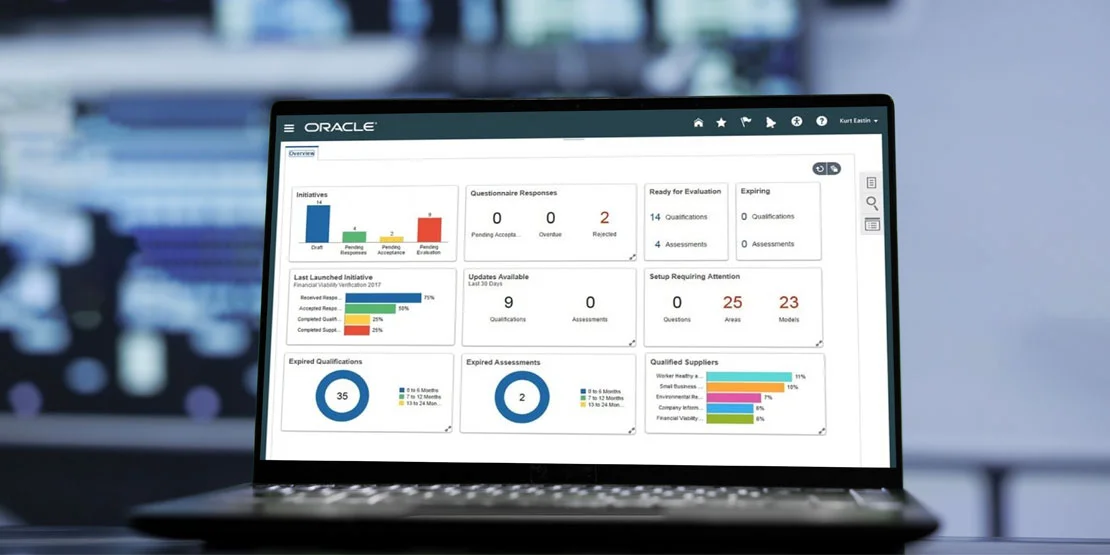
Oracle Fusion Cloud ERP is an option for large, finance-led organizations looking for cloud-based financial management, procurement, project management and enterprise reporting. Evaluate how its modules, controls and integration approach align with your operating model and existing applications.
In short: Fusion is for large enterprises; NetSuite is upper mid-market.
Microsoft Dynamics 365 Finance & Supply Chain Management
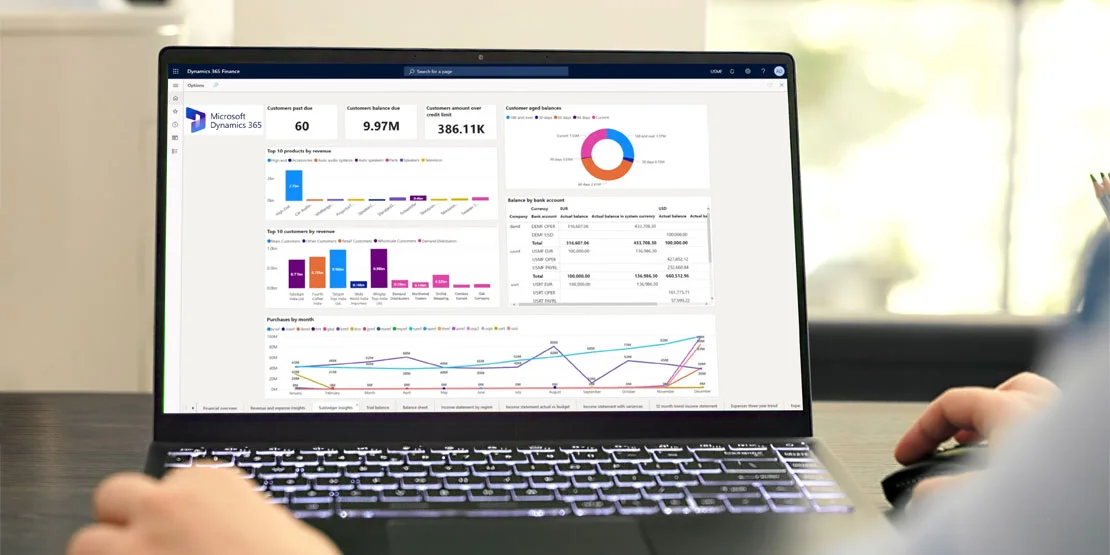
Microsoft Dynamics 365 Finance and Supply Chain Management can be a strong candidate for large organizations already invested in Microsoft technologies. Compare its finance, supply-chain and reporting capabilities with your business processes, data environment, and integration requirements.
Infor CloudSuite
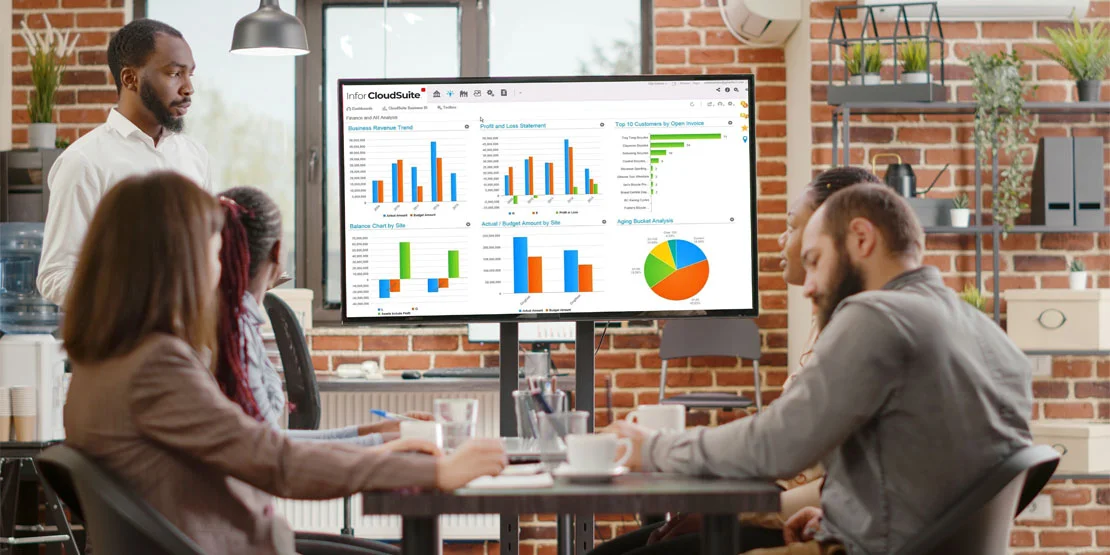
Infor CloudSuite offers industry-focused ERP options, including solutions for manufacturing and distribution. It is worth evaluating when specialized operational workflows, supply-chain coordination and industry requirements are central to the selection process.
Oracle NetSuite
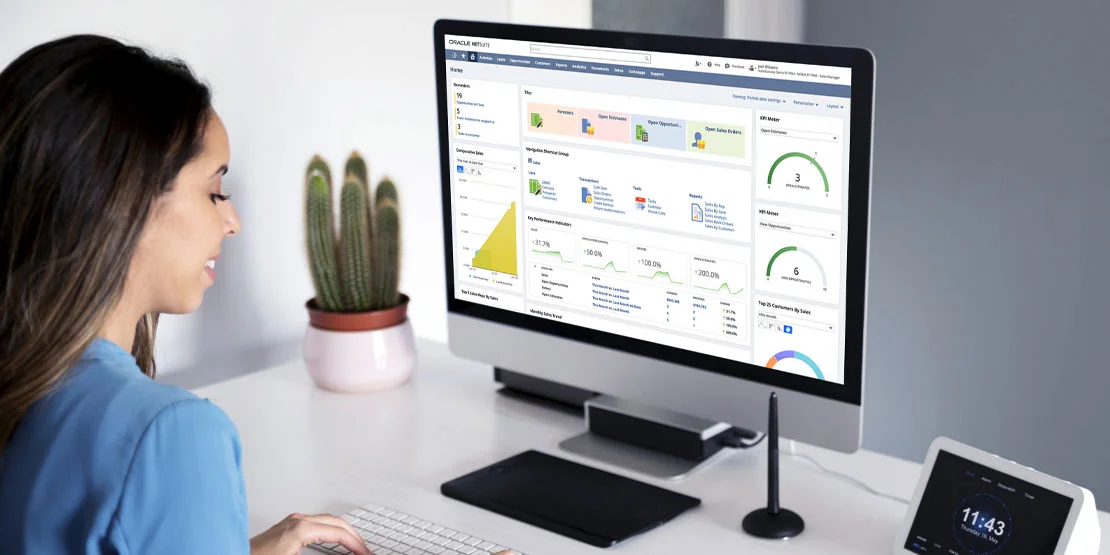
Oracle NetSuite is often considered by upper mid-market businesses and growing groups managing multiple entities. Its cloud-based suite brings finance and other business operations together. Larger organizations should validate the complexity of their consolidation, governance, integrations and global requirements before choosing it.
Epicor
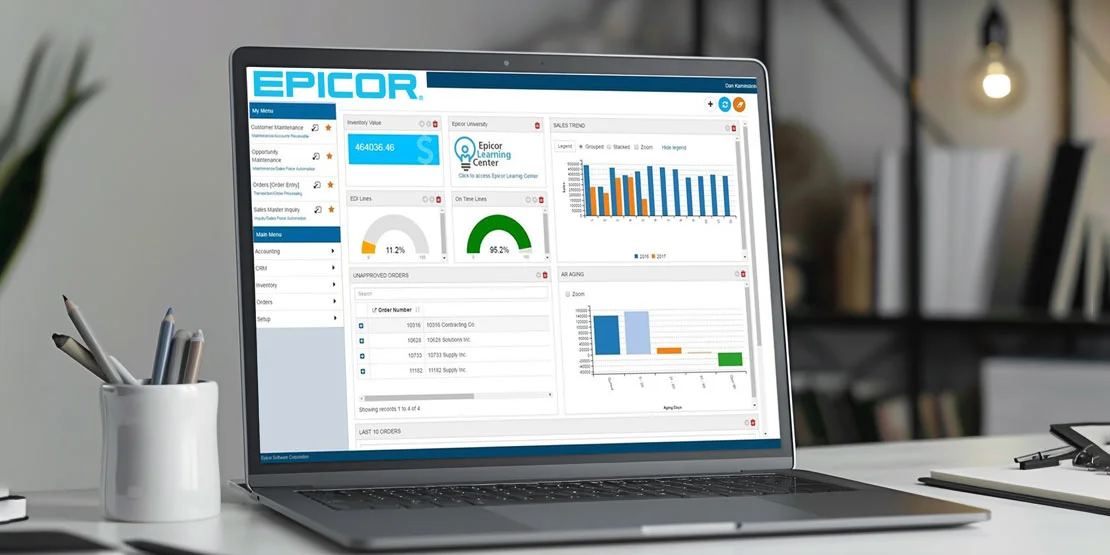
Epicor ERP, which assists manufacturers with production, inventory and supply-chain workflows, is a candidate for large manufacturing organizations. Assess the fit against your manufacturing model, scheduling needs, product complexity, reporting and connected systems.
IFS
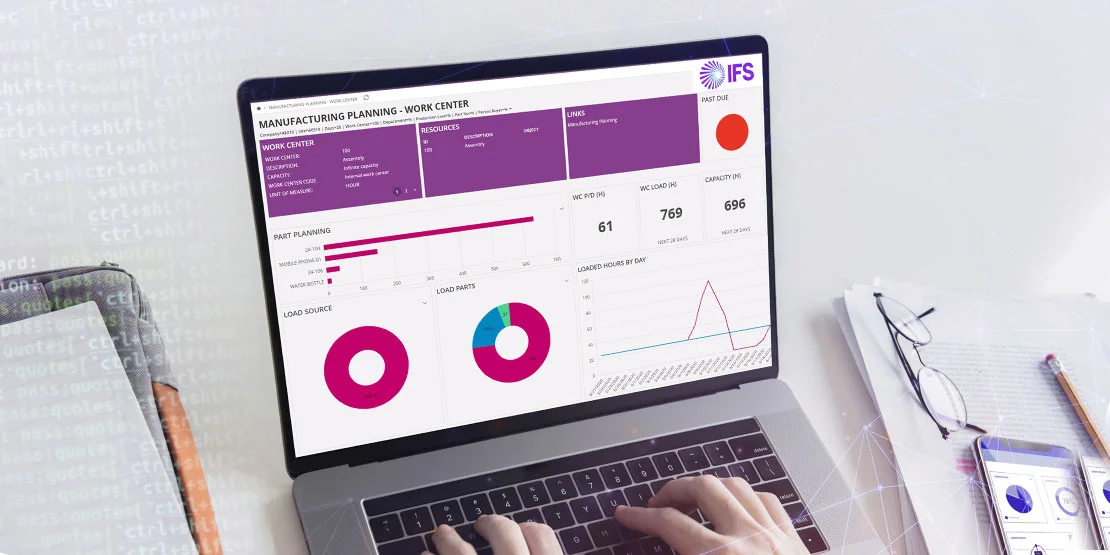
IFS is worth evaluating for asset-intensive businesses and organizations with substantial field-service or project-based operations. Compare its capabilities with the requirements for asset lifecycle management, service delivery, projects, planning and operational reporting. Confirm current product and trial options directly with the vendor rather than relying on unsupported blanket claims.
Odoo
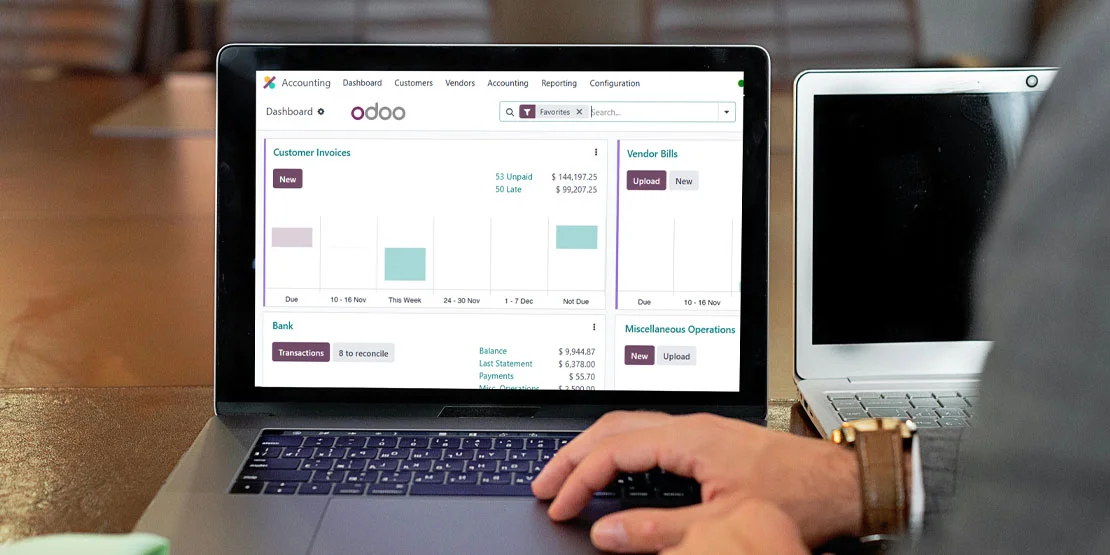
Odoo is a flexible suite of business applications covering areas such as accounting, sales, inventory, manufacturing, projects and CRM. For large companies, it may fit business units or subsidiaries that need configurable workflows and connected operations. The implementation should explicitly plan multi-company governance, security, integrations, reporting and support. Very large global enterprises with highly complex corporate requirements should compare Odoo with SAP, Oracle and Dynamics 365 rather than assume it is the best fit by default.

Related ERP resources
- Manufacturing ERP solutions
- Supply chain solutions
- Explore ERP by industry
- Odoo vs. NetSuite vs. SAP: compare ERP options
Our verdict
Very large global enterprises usually choose SAP, Oracle or Dynamics 365. Odoo makes sense for large companies that want a flexible, lower-cost system, or for business units and subsidiaries that need to move faster than the main corporate ERP.
Choosing an ERP for a large business?
Talk to us about whether Odoo fits your size, entities and integrations, or how it can run alongside your current ERP.
FAQs
What does enterprise ERP mean?
Enterprise ERP generally refers to ERP used by large companies, often with roughly 500 or more staff, multiple legal entities, or operations across multiple countries. The right scale depends on process complexity, governance, integrations and reporting needs.
Which ERP is best for a large enterprise?
Very large global enterprises often evaluate SAP S/4HANA, Oracle Fusion Cloud ERP and Microsoft Dynamics 365. The best fit depends on global processes, finance requirements, industry needs, existing systems and implementation capacity.
Is Odoo suitable for large companies?
Odoo can suit large companies that need a flexible ERP across business units or subsidiaries, particularly when workflows and integrations are scoped carefully. Very large, highly complex global organizations should compare it with enterprise platforms such as SAP, Oracle and Dynamics 365.
How should a company compare ERP systems?
Compare ERP systems against your legal entities, countries, finance and reporting requirements, manufacturing or supply-chain workflows, integrations, governance, implementation resources and long-term support needs.
How should a large company implement ERP?
Start with a scoped phase, define entities, charts of accounts, integrations and reporting, clean and migrate master data, then train users and review controls before expanding. A phased rollout reduces risk compared with a single big-bang go-live.
How can ERP improve decision-making?
A centralized ERP gives managers current figures across finance, inventory, sales and operations. Decision-making improves when reports and dashboards are designed around the decisions the business needs to make, not just the data the system can store.