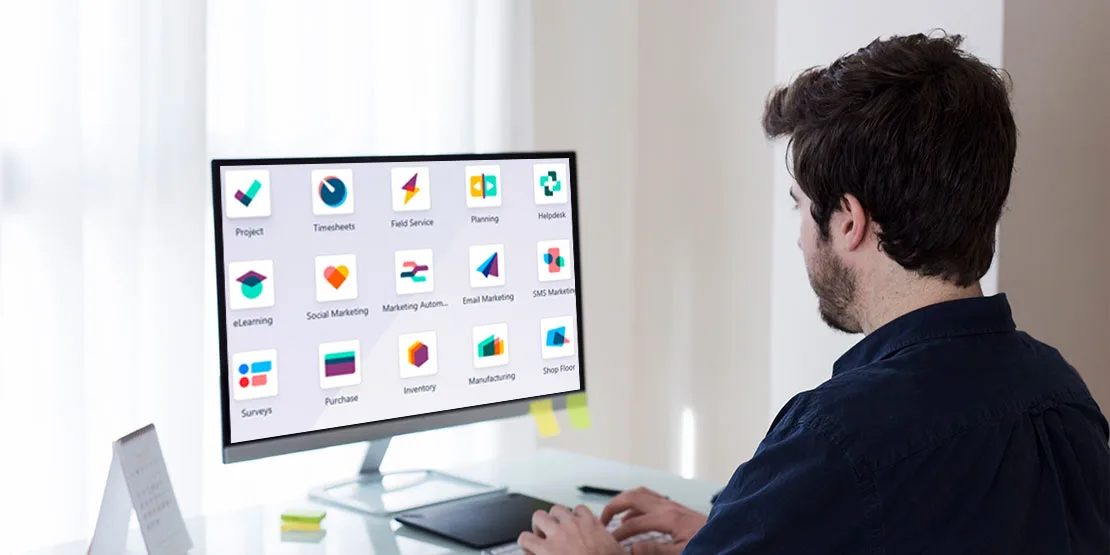
Why Buy Odoo ERP and CRM Together?
With Odoo, CRM and ERP are not two products joined by a connector. They are apps on one database, so a lead captured in CRM becomes a quotation, then a confirmed sales order, then an invoice, then a payment, with the same customer, product and price data throughout. Your sales team quotes against live stock and pricing, and finance sees the same order the moment it is confirmed.
That single flow, from lead to quotation to sales order to invoice to payment, runs without exporting files or reconciling records between tools. That is the main reason US companies buy Odoo ERP and CRM together instead of stitching two products together.
This page covers why and how to buy both together. What Odoo itself costs is a separate topic, covered on the Odoo Pricing in USA page.
Odoo vs a Separate CRM and Accounting Tool
Many US teams run Salesforce or HubSpot for CRM and QuickBooks for accounting, then pay to connect the two. The integration has to be maintained, and it decides which data is shared and when. With Odoo, both sides sit in one database, so a won opportunity can create a quotation and, once confirmed, an invoice with no connector in between. One customer record serves sales, fulfillment and finance.
What changes when it is one database
- One customer and product record instead of duplicates copied between tools
- No sync jobs, API limits or mismatched records between the CRM and accounting system
- Reports that combine pipeline, orders and cash in one place
What does not change
You still map your sales process, your chart of accounts and your data before go-live. Software choice alone does not decide the outcome; the setup does.
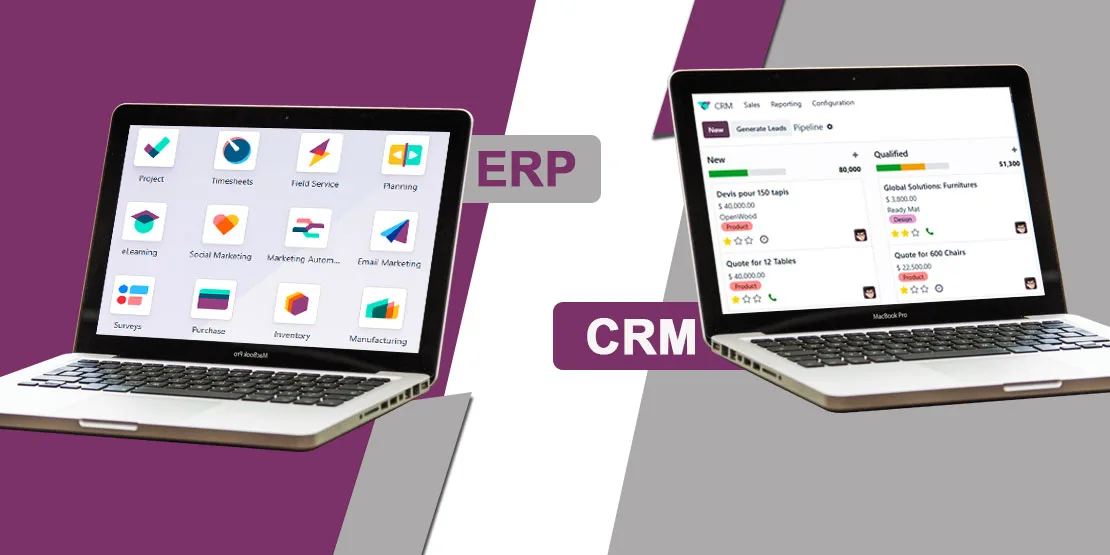
Which Odoo Apps US Businesses Usually Start With
Most US companies begin with the same core apps and add more once those are running well:
CRM
Pipeline stages, activities and lead-to-opportunity tracking for the sales team. See the dedicated Odoo CRM solution for the CRM apps in detail.
Sales
Quotations, pricelists and confirmed sales orders, created directly from a CRM opportunity.
Invoicing
Customer invoices, payment tracking and follow-ups generated from the orders your team has already won.
Inventory
Stock levels, warehouses and deliveries, so sales always sees what is available to promise.
Accounting
Chart of accounts, taxes, bank reconciliation and reporting, with US localization.
How Buying Odoo Works: Licenses from Odoo, Services from a Partner
Odoo is bought in two parts. The license and hosting come from Odoo itself: you choose the plan and the number of users, and Odoo bills you for the subscription. The second part, setup, data migration, configuration, integrations and training, comes from a certified partner.
Odoo provides the product; the partner makes it fit your business. Most US companies keep buying the license directly from Odoo and work with a partner for the rollout. O2B Technologies handles that partner side; see Odoo Implementation for how we run a project.
What to Prepare Before You Buy
Having the following ready shortens discovery and makes the scope and timeline more accurate:
- Users: everyone who will log in to Odoo, and their roles
- Current tools: the CRM, accounting, e-commerce and spreadsheets you use today
- Data to move: customers, vendors, products, open sales orders, inventory and balances
- Processes and reports: how quotes, orders, invoices and month-end work now
- Timeline: your target go-live date, and any busy season to avoid
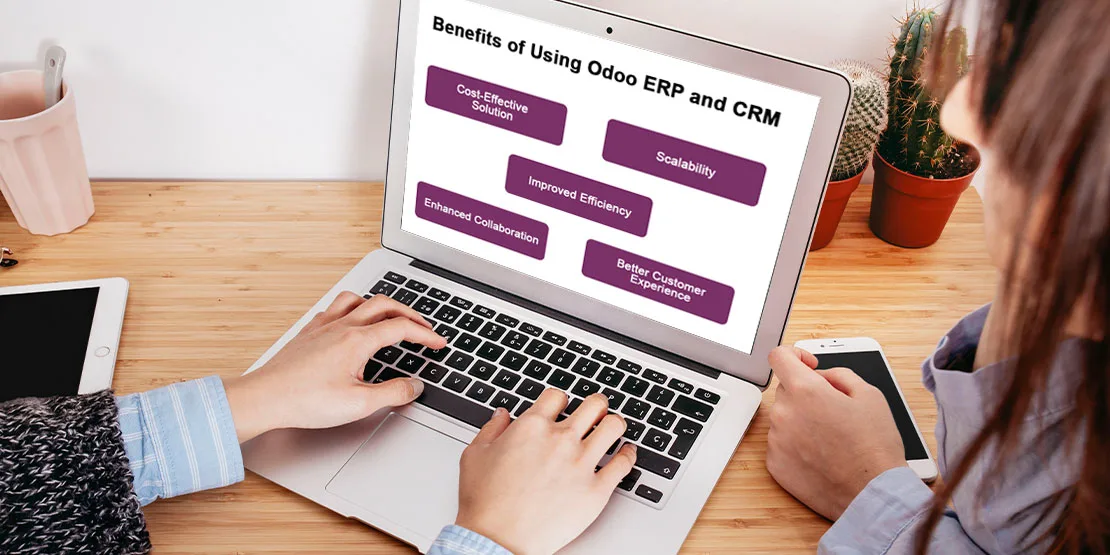
Why O2B
O2B Technologies is a certified Odoo partner working with US businesses. We handle implementation, data migration, integration, customization and training, and we support you after go-live. Our focus is getting your team onto one system for CRM, sales, inventory and accounting without disrupting day-to-day operations. See how we have delivered Odoo for US clients in our case studies.