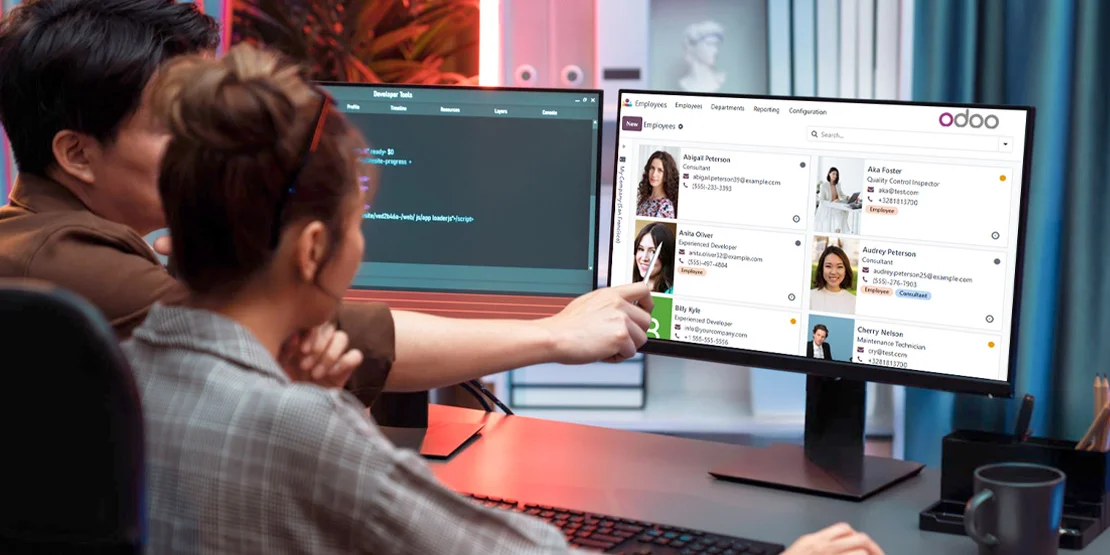
What an Odoo ERP Service Partner Covers
One partner can cover your whole Odoo lifecycle: setup, changes, integrations and ongoing support under one contract. See each service page instead of a long catalog: Implementation, Customization, Integration and Support.
One Partner or Several?
End-to-end makes sense when you want one owner for setup, changes, integrations and support. A specialist is better for a single complex need (deep development, migration, certification). Choose based on scope, capacity and who carries responsibility.
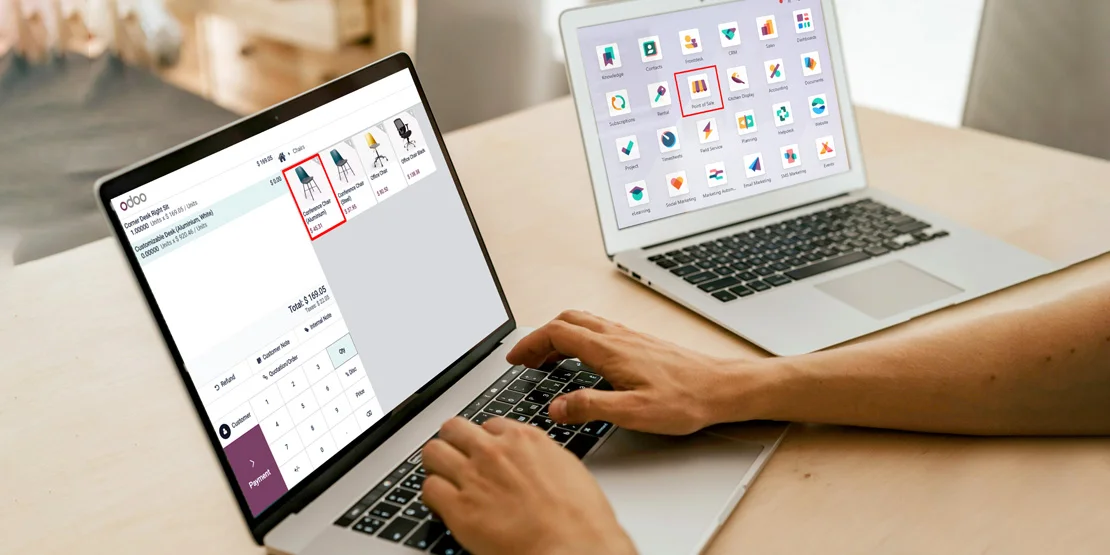
The Hiring Process
1. Define your needs and scope
List modules, processes, integrations and expected users.
2. Check partner level and experience
Certified staff, industry experience, case studies.
3. Review their implementation method
Discovery, configuration, migration, training, go-live.
4. Interview and request a project plan
Timelines, milestones, named project manager.
5. Compare proposals on scope and fit, not price alone
What is included and what costs extra.
6. Ask for references from similar projects
7. Confirm training and post-go-live support
8. Test their testing approach
Staging environment, test plan, rollback.
9. Make the decision and sign terms
Terms to Agree Before You Sign
Scope and change requests
What's included and how new work is priced.
Support response times (SLA)
Who owns the custom code
Data security and access
Exit and handover
How to leave and take your data and code.
Questions to Ask and Red Flags
What is the full scope and what costs extra?
What are the support SLAs?
Who owns the custom code?
What is the exit and handover process?
Red flags: no SLA, unclear ownership, no test plan.
Why O2B Technologies
O2B Technologies delivers end-to-end Odoo services with trained consultants, clean implementations and ongoing support.
FAQs
What does an Odoo ERP service partner cover?
Setup, customization, integration, support and ongoing improvements under one contract.
When is one end-to-end partner better than several specialists?
When you want one owner for delivery and support, and lower handover risk.